

Cart
27 products
-
Collagen Cleanser

 Collagen Cleanser Award-Winning Gentle Cleanser Suitable for Eyes
- Regular price
-
19.00 EUR 49.00 EUR - Regular price
-
- Sale price
-
19.00 EUR 49.00 EUR
-
Sunscreen Serum SPF50+
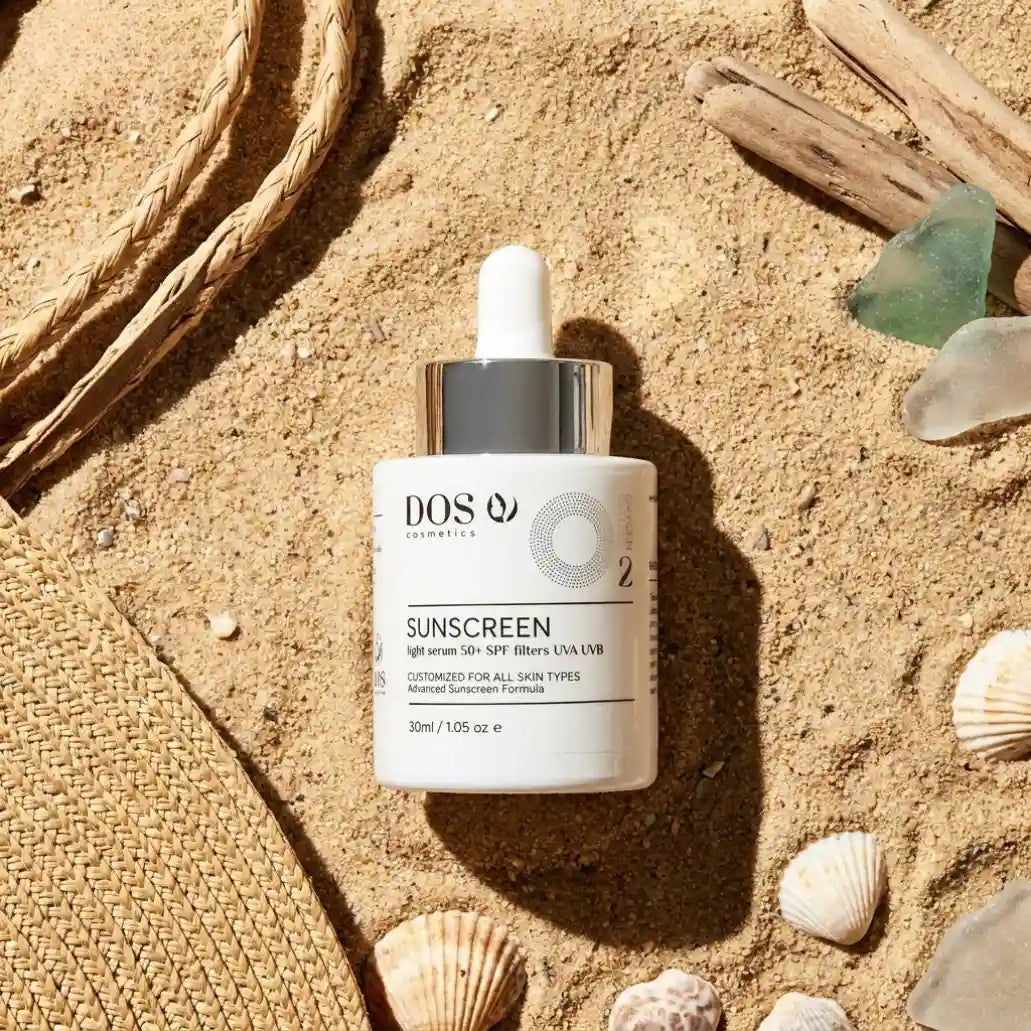
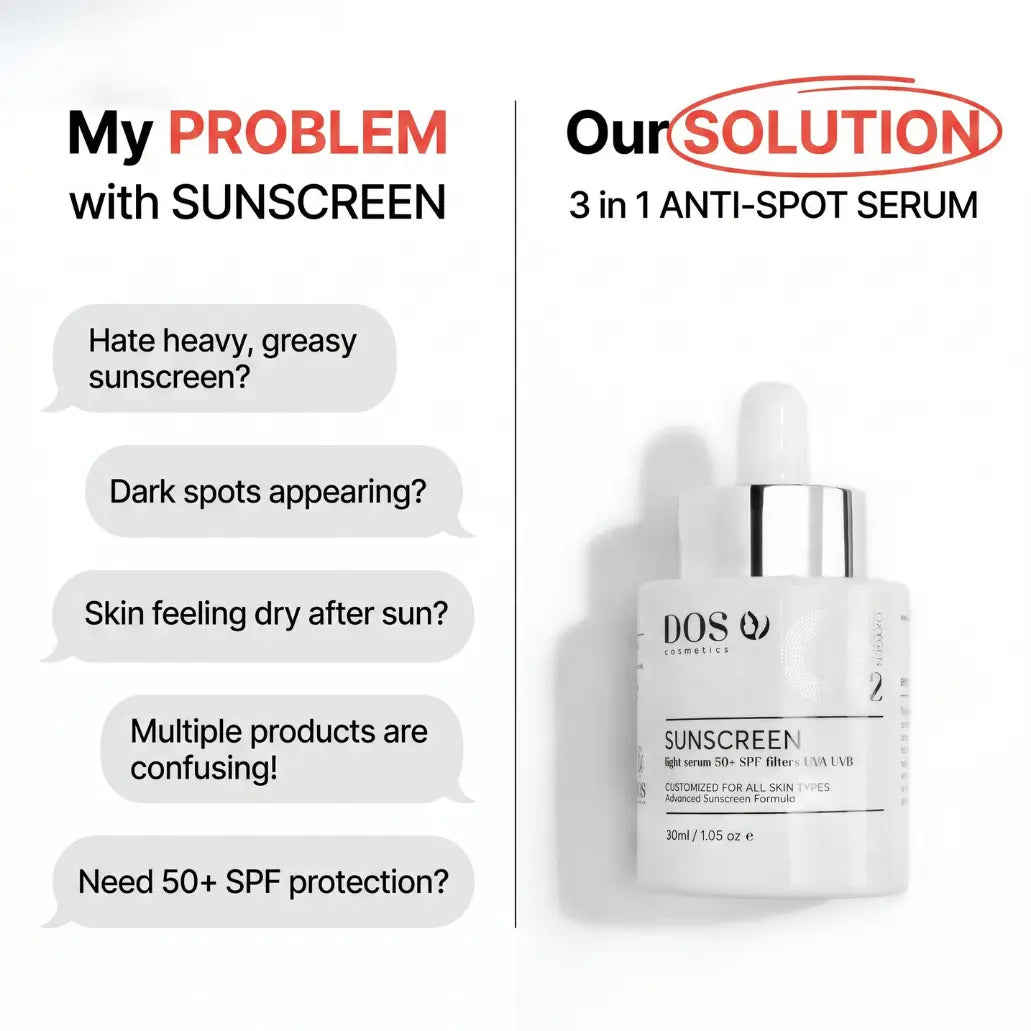 Sunscreen Serum SPF50+ Antioxidant UVA/UVB Defense Against Dark Spots
- Regular price
-
79.00 EUR - Regular price
-
- Sale price
-
79.00 EUR
-
Mandelicum Night Solution

 Mandelicum Night Solution Award-Winning Mandelic Acid Night Treatment
- Regular price
-
39.00 EUR 112.00 EUR - Regular price
-
- Sale price
-
39.00 EUR 112.00 EUR
-
HIBIO Day Serum

 HIBIO Day Serum Probiotic & Hibiscus Balance for Deep Hydration
- Regular price
-
79.00 EUR - Regular price
-
- Sale price
-
79.00 EUR
-
Manca Butter Makeup Remover

 Manca Butter Makeup Remover Award-Winning Care for Face & Eyes
- Regular price
-
29.00 EUR 49.00 EUR - Regular price
-
- Sale price
-
29.00 EUR 49.00 EUR
-
Hyaluronic Day Cream
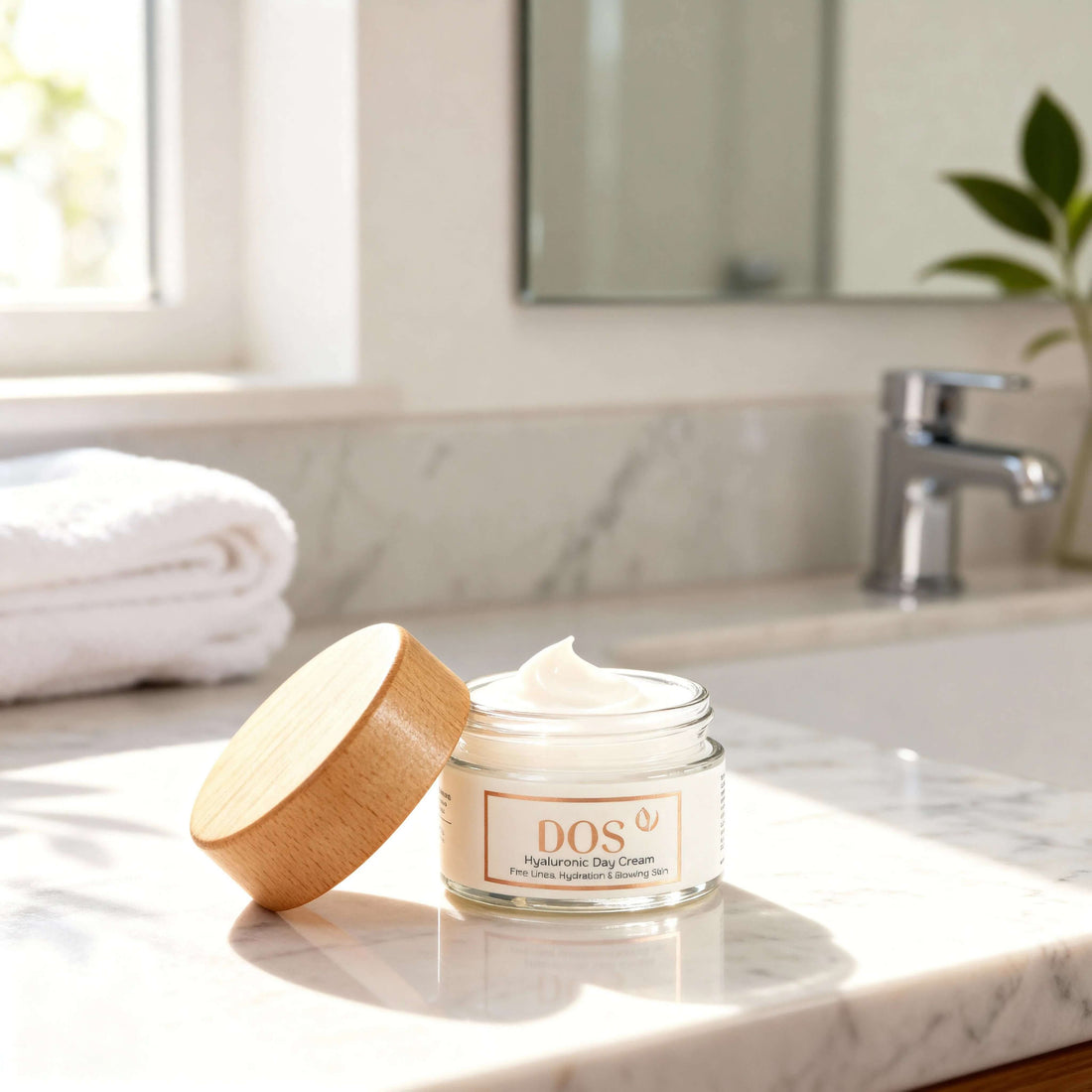
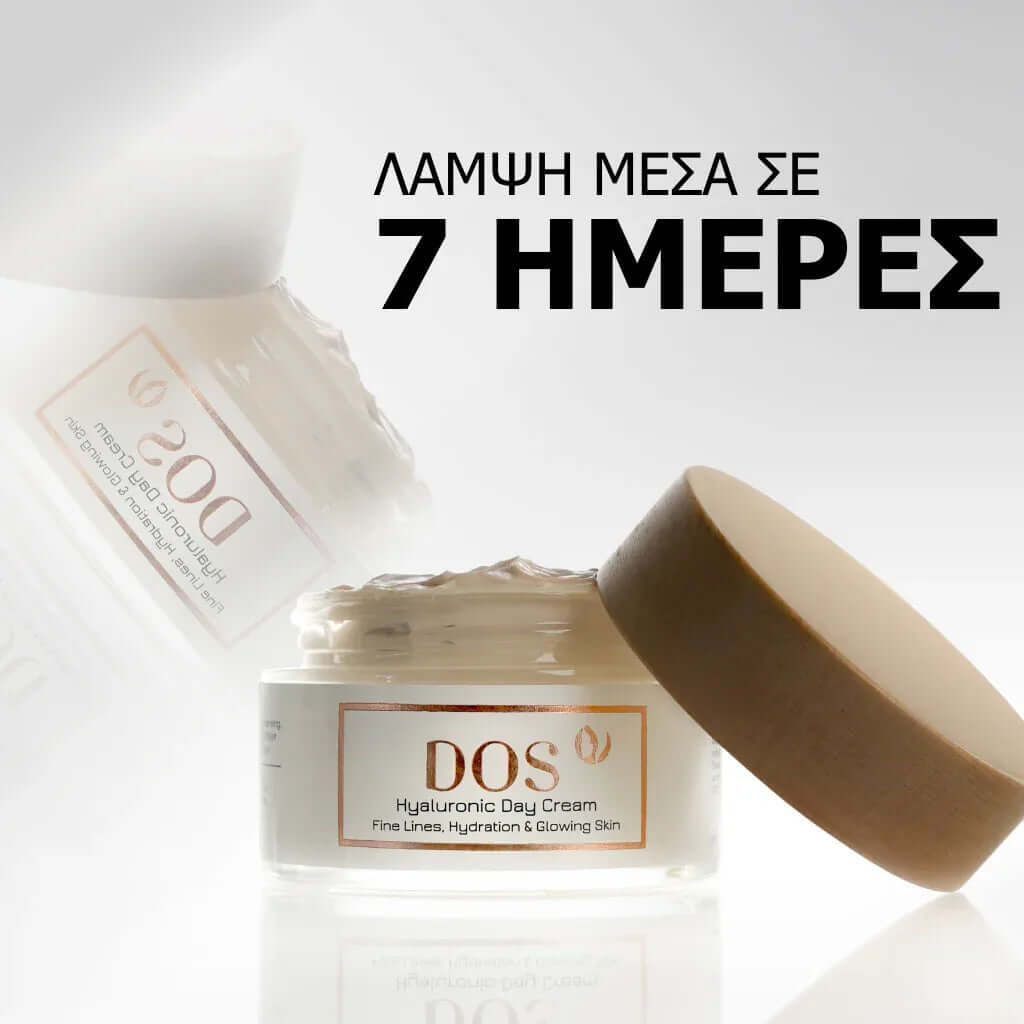 Hyaluronic Day Cream With Peptides, Mastic Oil & Greek Herbal Extracts
- Regular price
-
39.00 EUR 89.00 EUR - Regular price
-
- Sale price
-
39.00 EUR 89.00 EUR
-
Collagen Eye Cream

 Collagen Eye Cream Revitalizing Antiaging Care for Eyes & Lips
- Regular price
-
79.00 EUR - Regular price
-
- Sale price
-
79.00 EUR
-
Ascorbin Vitamin C Serum

 Ascorbin Vitamin C Serum Radiance & Antioxidant Renewal
- Regular price
-
129.00 EUR - Regular price
-
- Sale price
-
129.00 EUR
-
Hyaluronic Night Cream

 Hyaluronic Night Cream Antioxidant Lift & Overnight Renewal
- Regular price
-
39.00 EUR 109.00 EUR - Regular price
-
- Sale price
-
39.00 EUR 109.00 EUR
-
Whitening Night Cream

 Whitening Night Cream Award-Winning Brightening & Spot Correction
- Regular price
-
129.00 EUR - Regular price
-
- Sale price
-
129.00 EUR
-
Hyaluronic Eye Cream

 Hyaluronic Eye Cream Deep Hydration for Eyes & Lips
- Regular price
-
69.00 EUR - Regular price
-
- Sale price
-
69.00 EUR
-
Acne Cleanser

 Acne Cleanser Purifying Cleanser for Face & Eyes
- Regular price
-
19.00 EUR 49.00 EUR - Regular price
-
- Sale price
-
19.00 EUR 49.00 EUR
-
Retinol Night Cream

 Retinol Night Cream Renewal & Collagen Support
- Regular price
-
149.00 EUR - Regular price
-
- Sale price
-
149.00 EUR
-
Glow Beauty Kit

 Glow Beauty Kit Ascorbin Serum with Gua Sha
- Regular price
-
189.00 EUR - Regular price
-
- Sale price
-
189.00 EUR
-
AHA-Hyal Night Cream

 AHA-Hyal Night Cream Regenerating Overnight Renewal
- Regular price
-
129.00 EUR - Regular price
-
- Sale price
-
129.00 EUR
-
Acne Night Cream

 Acne Night Cream Soothing Night Care for Acne-Prone Skin
- Regular price
-
119.00 EUR - Regular price
-
- Sale price
-
119.00 EUR
-
Sweet Almond Oil

 Sweet Almond Oil Antioxidant Oil for Sensitive Skin
- Regular price
-
19.00 EUR - Regular price
-
- Sale price
-
19.00 EUR
-
Dark Spots Beauty Kit

 Dark Spots Beauty Kit Targeted Treatment for Dark Spots
- Regular price
-
119.00 EUR - Regular price
-
- Sale price
-
119.00 EUR
-
Grapeseed Oil

 Grapeseed Oil Moisturizing Oil for All Skin Types
- Regular price
-
19.00 EUR - Regular price
-
- Sale price
-
19.00 EUR
-
Apricot Kernel Oil

 Apricot Kernel Oil Hydrating Oil for Youthful Skin
- Regular price
-
19.00 EUR - Regular price
-
- Sale price
-
19.00 EUR
-
Jojoba Oil

 Jojoba Oil Sebum-Regulating Oil for Balanced Skin
- Regular price
-
29.00 EUR - Regular price
-
- Sale price
-
29.00 EUR
-
Avocado Oil

 Avocado Oil Revitalizing Oil for Sensitive Skin
- Regular price
-
29.00 EUR - Regular price
-
- Sale price
-
29.00 EUR
-
Nightly Renewal Protocol
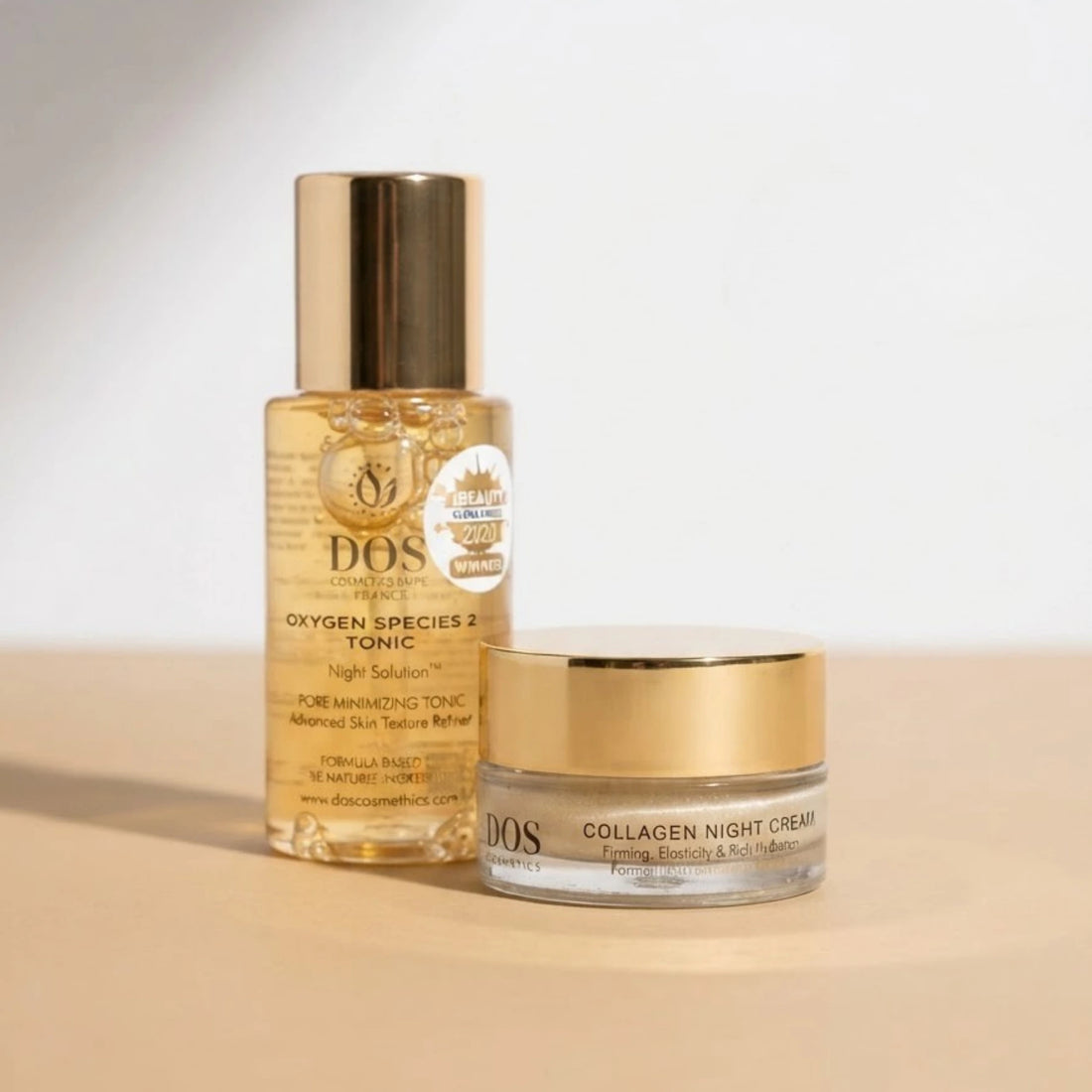
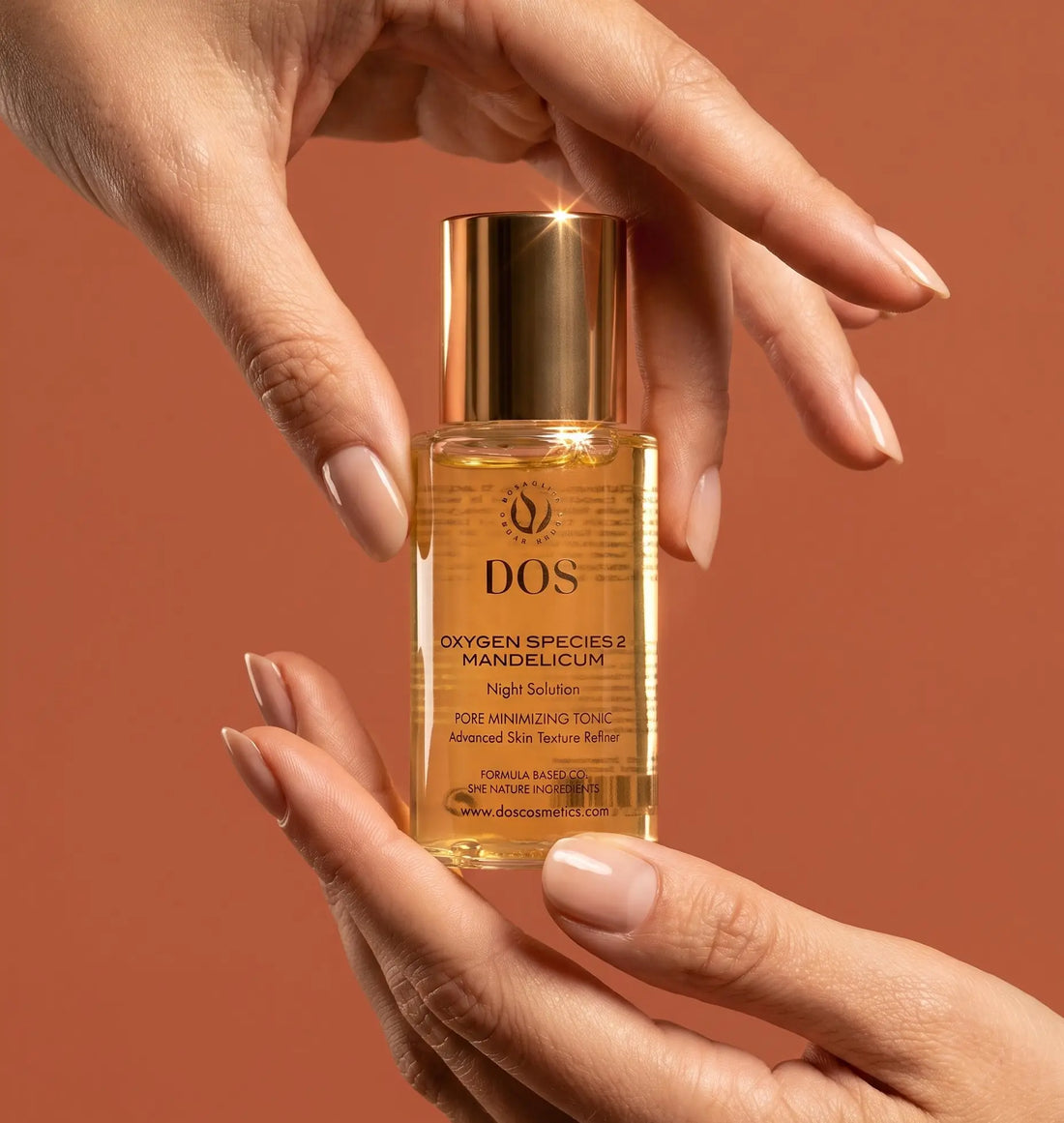 Nightly Renewal Protocol Nighttime Renewal Starter Duo
- Regular price
-
70.40 EUR - Regular price
-
88.00 EUR - Sale price
-
70.40 EUR
-
AFTER THE SUN | Day & Night Set for Dark Spots
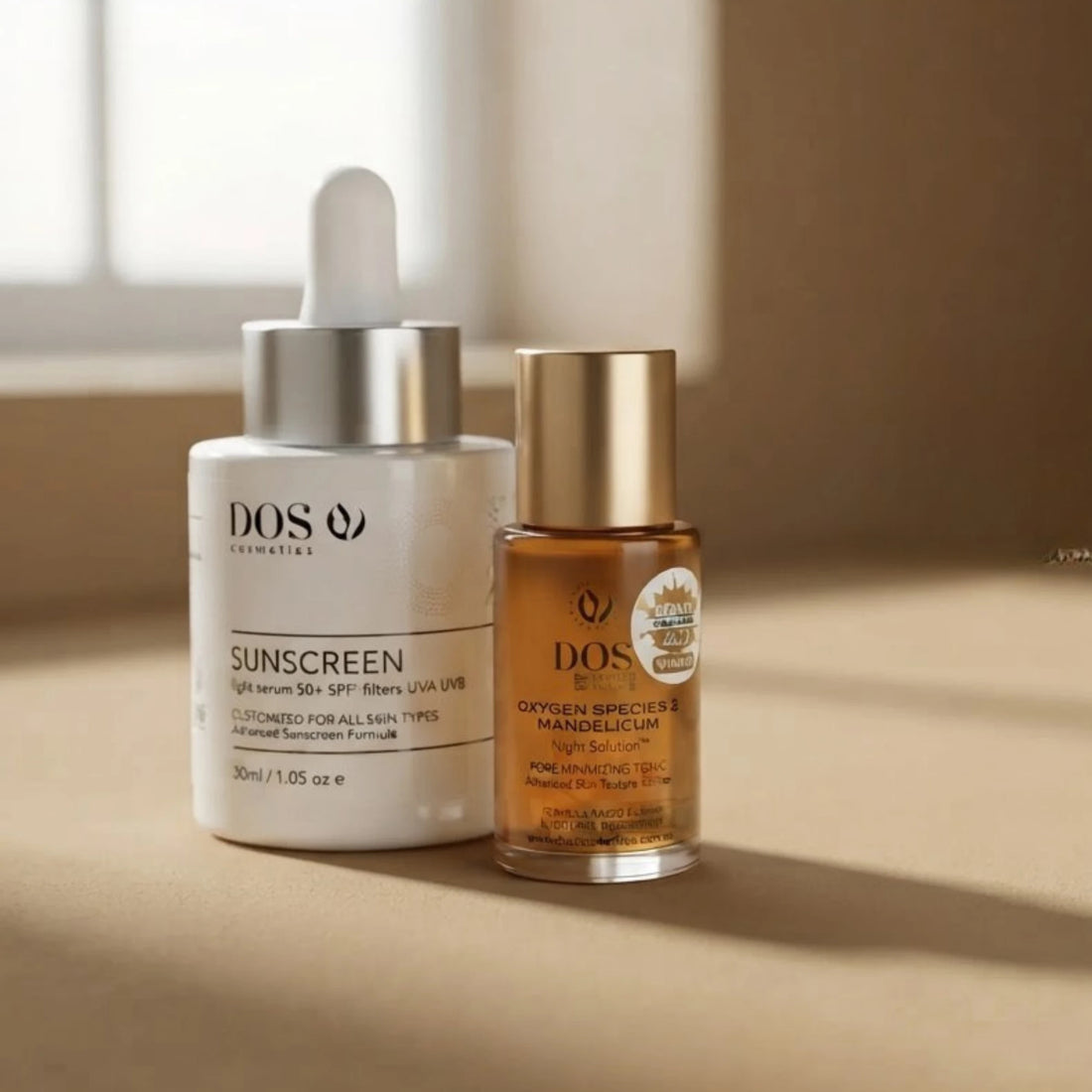 AFTER THE SUN | Day & Night Set for Dark Spots Day & Night Duo for Dark Spots
- Regular price
-
79.00 EUR - Regular price
-
115.20 EUR - Sale price
-
79.00 EUR


FAQs
What is combination skin?
How do I know if I have combination skin?
Why does my combination skin change with the seasons?
Can combination skin also be sensitive?
Should I use different products on my T-zone and my cheeks?
How long does it take to see a difference?
How do I find the right products for my combination skin?

Payment methods
